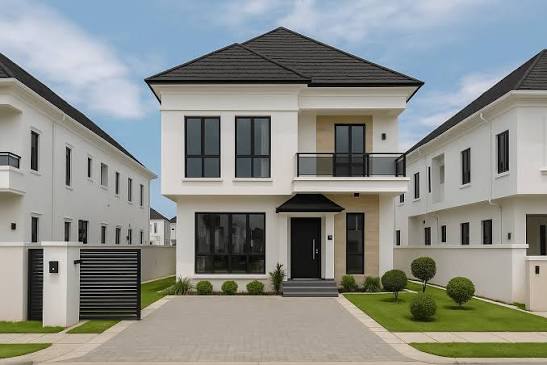

Are you planning on buying property in Nigeria? Whether you are buying land in Lagos, a house in Abuja, or an off-plan property from abroad, navigating real estate transactions requires thorough due diligence.
Without proper verification, buyers face common risks such as disputed titles, fake ownership claims, or unexpected hidden fees. To protect your investment, ask these 5 crucial questions before paying for a property in Nigeria.
- Who Legally Owns the Property (and Can They Sell It)?
Never stop at asking, “Is this property available?” You must confirm who holds the registered title and verify the seller’s legal authority to transfer ownership.
- Verify the Seller: Confirm whether you are dealing directly with the registered title owner or a representative. If someone is selling on the owner’s behalf, demand to see a valid Power of Attorney or written legal authority.
- Family Land Sales: If you are buying family-owned land, ensure the family head and principal family members have unanimously consented to the sale.
- Check Third-Party Interests: Inquire whether any third party holds a legal interest, lien, or encumbrance on the property.
Important Buyer Tip: Photos of documents and verbal promises are not legal proof of ownership. Hire an independent real estate lawyer in Nigeria to conduct an official title search at the state land registry before making any financial commitment.
- Are the Property Documents Verified and Free of Legal Disputes?
Having physical paper documents does not guarantee a clean property title. Documents can be forged, incomplete, or mismatched with registry records.
Key Documents to Request & Verify:
- Certificate of Occupancy (C of O)
- Registered Deed of Assignment
- Governor’s Consent
- Approved Survey Plan
Critical Questions to Ask the Seller:
- Has this property title been verified at the relevant state Land Registry?
- Is there any ongoing or past land ownership dispute or court order affecting the site?
- Is the property under an active mortgage, lien, or bank pledge?
- Is the land earmarked for future government acquisition or public infrastructure projects?
A thorough search at the state land registry, such as checking guidelines on the Lagos State Lands Bureau Portal, ensures the property matches registry records. If you want to bypass unverified listings, you can browse pre-vetted options directly on the FNP Property Listings Portal.
3. What is the Total Cost of Buying the Property (Including Hidden Fees)?
The advertised sales price is rarely the final amount you pay. To avoid surprise expenses during closing, request an itemized written cost breakdown early in the process.
| Fee Category | Description | Who Pays? |
| Purchase Price | Agreed baseline cost of the land or building | Buyer |
| Agency / Finder’s Fees | Realtor commission (typically 5%–10%) | Buyer / Seller |
| Legal & Documentation Fees | Legal drafting of Deed of Assignment (typically 5%) | Buyer |
| Governor’s Consent & Perfection | Government registration and title perfection charges | Buyer |
| Infrastructure / Development Levy | Estate service charges, utility connection fees | Buyer |
Pro Tip for Budgeting: Always clarify which charges are bundled into the listing price and which must be settled separately. If you want to eliminate commission costs entirely, check out verified offers on the FNP Property Deals Page.
4. Can I Conduct a Physical or Live Inspection of the Exact Unit?
Never purchase real estate based solely on promo photos or edited marketing videos. A physical or live inspection confirms the property’s condition and surrounding infrastructure.
- For Completed Houses & Land: Verify access roads, drainage systems, power grid connections, and boundary markers against the survey plan.
- For Off-Plan Property Purchases: Request a binding construction schedule, stage-by-stage payment milestones, and clear contractual penalties for project completion delays.
- For Overseas & Diaspora Buyers: If you cannot attend an inspection in person, request a real-time video walkthrough or appoint a trusted representative.
5. Who Am I Paying, and What Happens Immediately After Payment?
Payment is not the finish line of a real estate transaction, it is the beginning of title transfer.
- Verify Account Details: Ensure the payment account name strictly matches the verified seller or an authorized corporate escrow account. Never send funds to an unverified personal account.
- Mandatory Post-Payment Documents: Obtain a signed contract of sale, a Deed of Assignment, and an official transaction receipt immediately upon payment.
Questions to Clear Before Wiring Funds:
- What exact title documents will I receive upon payment, and on what date?
- When will physical possession of the property be handed over?
- Which party is responsible for filing for Governor’s Consent and perfecting the title?
- What legal remedies exist if the developer or seller fails to deliver on time?
Frequently Asked Questions (FAQ)
What is the most important document when buying land in Nigeria?
The Certificate of Occupancy (C of O) or a registered Deed of Assignment with Governor’s Consent are the primary legal documents proving ownership and state recognition in Nigeria.
Can a property be sold without Governor’s Consent?
While initial agreements can be signed, any legal transfer of land ownership in Nigeria requires Governor’s Consent under the Land Use Act to be legally perfected and recognized by the state government.
Buy Property with Confidence, Not Guesswork
Mitigate real estate risks by ensuring your property search starts with verified sellers. Explore listings and connect with trusted professionals through the FNP Platform.